Broom-Finished Concrete Sealing Without the Decorative Gloss
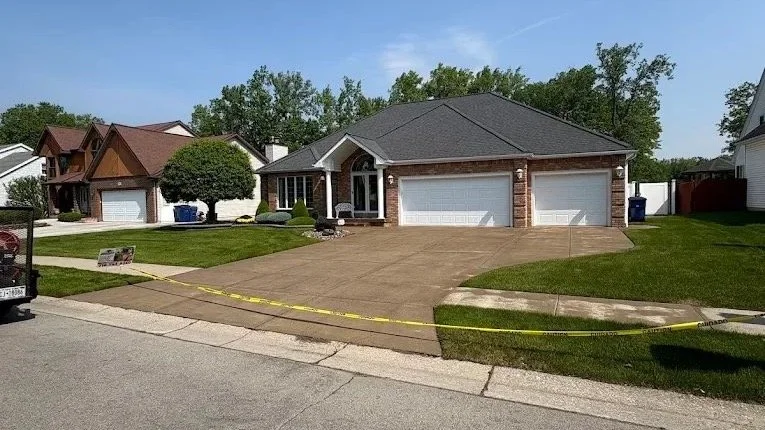
Not every concrete sealing project is about a shiny decorative finish. Many Western New York homeowners have broom-finished concrete driveways, sidewalks, walkways, patios, or garage approaches that were built for practical traction and everyday use. The goal is often protection, not a wet-look appearance.
That distinction matters. Broom-finished concrete has a textured surface created by dragging a broom across the concrete before it fully cures. It is common on plain driveways and walkways because the texture can be practical for foot and vehicle traffic.
Sealing broom-finished concrete should start with the actual surface and the homeowner's goal. Empire Exterior Solutions LLC washes and seals broom-finished concrete, stamped concrete, and exposed aggregate concrete, but the expected finish should be discussed during the onsite estimate.
Quick answer: can broom-finished concrete be sealed without looking decorative?
Yes, broom-finished concrete can be sealed with a practical protection goal rather than a decorative gloss goal. The right approach depends on the surface condition, weather, previous sealer, age of the concrete, and the sealer recommendation.
Homeowners should not assume every concrete sealing job creates the same look. Some concrete is sealed for a richer decorative appearance. Plain broom-finished concrete is often sealed mainly to help protect against moisture, road salt, surface wear, and WNY freeze-thaw exposure.
What makes broom-finished concrete different
Broom-finished concrete is usually plain, textured, and functional. It may not have the visible stone of exposed aggregate or the pattern and color of stamped concrete. Because it is common on driveways and sidewalks, it often sees daily use, snow shoveling, road salt, tire traffic, and repeated wet-dry cycles.
The texture is part of the point. A homeowner who likes a simple natural look may not want a glossy finish. A homeowner with a workhorse driveway may care more about moisture protection and maintenance than decorative depth.
That is why broom finished concrete sealing should be framed around fit. The surface, prior coatings, drainage, shade, age, and exposure all affect what should be recommended.
Why WNY homeowners ask about sealing plain concrete
Western New York concrete has to deal with moisture, snow, ice, road salt, and freeze-thaw cycles. Driveways and walkways are especially exposed because vehicles carry salt onto the surface and snow melt can sit near the garage, road edge, or low spots.
Sealing can help reduce moisture absorption and support surface protection when the concrete is a good candidate. It is a maintenance step, not a repair. The goal is to help the concrete handle normal exposure better than an untreated or poorly prepared surface.
For broom-finished driveways, that usually means practical protection. It may also mean a cleaner, more uniform look after washing and sealing, but the article should not promise a specific sheen or appearance for every project.
Washing comes before sealing
Concrete should be washed before it is sealed. Dirt, tire residue, algae, loose grit, pollen, old buildup, and ordinary surface contamination can interfere with a clean application. Washing helps prepare the surface so the sealer is applied to concrete, not to the layer sitting on top.
Empire offers hard-surface pressure washing for concrete driveways, sidewalks, patios, pool decks, garage floors, retaining walls, steps, and entryways. The company also confirms that concrete under four years old is soft-washed rather than pressure-cleaned.
That rule is important for broom-finished concrete because age and condition should guide the method. A newer slab should not be treated the same way as an older driveway without first reviewing the surface.
Natural look does not mean no protection
Some homeowners hear "sealer" and picture glossy decorative concrete. That can make them hesitate if they have a plain driveway or walkway and want it to keep a natural appearance.
A natural look concrete sealer discussion should focus on expectations. Ask what the surface will look like when dry, whether the goal is protection or appearance, and whether the recommended sealer fits a plain broom finish. Do not assume the result from a photo of stamped or exposed aggregate concrete.
Empire's confirmed client response identifies two broad sealer categories. Acrylic sealer is sprayed in two coats with an approximate two-year lifespan. Penetrating sealer is sprayed in one coat with an approximate five-to-seven-year lifespan. Those are general guidelines, not a promise for every driveway or every finish.
When a decorative finish is the wrong expectation
Broom-finished concrete is not stamped concrete. It is not decorative antiquing. It is not concrete coloring. If a homeowner wants color restoration, a richer decorative effect, or a change in appearance, the estimate should separate that goal from simple sealing.
Empire does offer concrete coloring and decorative antiquing, but those services are different from plain driveway protection. The safest content approach is to route color-change intent to the appropriate decorative conversation and keep broom-finished concrete sealing focused on protection and maintenance.
This helps avoid disappointment. A sealed broom-finished driveway may look cleaner and better maintained, but it should not be promised to look like a stamped patio, exposed aggregate surface, or decorative restoration project.
What sealing cannot fix
Sealing broom-finished concrete cannot fix structural problems. Empire's confirmed exclusions include concrete repair, so the article should clearly state that sealing is not a repair for major cracks, heaving, failed slabs, severe spalling, poor drainage, or other structural concerns.
It also does not replace good preparation. If old sealer, dirt, moisture, or surface deterioration affects the job, the estimate should explain that before work is approved.
Sealing may still be worthwhile on an older surface, but the expected result should be realistic. A contractor can protect appropriate concrete. A sealer cannot turn failed concrete into new concrete.
Timing for broom-finished driveway protection
Broom-finished driveways often become a late-season priority because homeowners are thinking about winter. Empire's concrete sealing season is approximately May 1 through October 31, weather permitting and generally above 55 degrees.
That makes late summer and early fall a practical time to ask about broom finish driveway protection. Waiting until cold, wet weather is already in place can make scheduling difficult or impossible for the season.
Patios and walkways may be discussed earlier in the year. Driveways often move to the front of the list as road salt and freeze-thaw exposure get closer.
Questions to ask during the onsite estimate
Ask what type of concrete you have and whether it has been sealed before. Ask whether washing is included, whether the surface should be pressure-washed or soft-washed, and what conditions could delay sealing.
Ask about appearance in plain language. Will the finish look natural? Is any shine expected? Is the recommended sealer being chosen mainly for protection, appearance, or both? What should you expect if the concrete has old sealer, uneven wear, or darker areas?
Also ask about preparation. Vehicles, planters, patio furniture, hoses, decorations, and other items may need to be moved before the workday.
Request a broom-finished concrete sealing estimate
If your broom-finished driveway, sidewalk, walkway, patio, or other plain concrete surface needs attention, request an onsite estimate. Empire Exterior Solutions LLC serves Erie and Niagara counties and provides concrete washing and sealing for stamped, exposed aggregate, and broom-finished concrete.
Call Empire Exterior Solutions at (716) 752-8250 or use the contact page. Share your address, the concrete areas you want reviewed, and whether your main goal is protection, appearance, or both. Empire can look at the surface onsite, explain service limits, and provide a written estimate after the visit.
Frequently Asked Questions
What types of concrete does Empire Exterior seal?
Empire Exterior seals stamped concrete, exposed aggregate, and broom-finished concrete. Common surfaces include concrete driveways, patios, sidewalks, walkways, pool decks, and other exterior concrete areas. The right approach depends on the surface type, age, condition, previous sealer, and appearance goals. An onsite estimate helps confirm whether the concrete is a good candidate for washing and sealing.
Will sealing change how my concrete looks?
It can, depending on the concrete type, sealer category, previous coating history, and surface condition. Stamped concrete and exposed aggregate may look richer or more finished after washing and sealing, while broom-finished concrete is often sealed for practical protection rather than decorative gloss. The estimate is the right time to ask what appearance is realistic for your specific surface.
What is the difference between acrylic and penetrating concrete sealer?
Acrylic sealer is a film-forming option that is often discussed when appearance, color enhancement, or decorative concrete maintenance is part of the goal. Empire’s confirmed guidance is two sprayed coats with an approximate two-year lifespan. Penetrating sealer is typically chosen for protection with a less visible surface film; it is sprayed in one coat and has an approximate five-to-seven-year lifespan.
How long does concrete sealer last?
Empire’s confirmed general guidance is that acrylic sealer lasts about two years and penetrating sealer lasts about five to seven years. Those ranges are not guarantees for every driveway, patio, or walkway. Surface condition, old coatings, moisture, drainage, sun, shade, traffic, salt exposure, and preparation can all affect the recommendation and the realistic maintenance conversation during the estimate.
Request an onsite estimate
Have questions about concrete sealing, house washing, or another exterior service? Empire Exterior Solutions can review the surfaces, explain the options, and provide a written estimate.
Call (716) 752-8250 or send the project details online.