Why WNY Concrete Driveways Should Be Washed and Sealed Before Winter
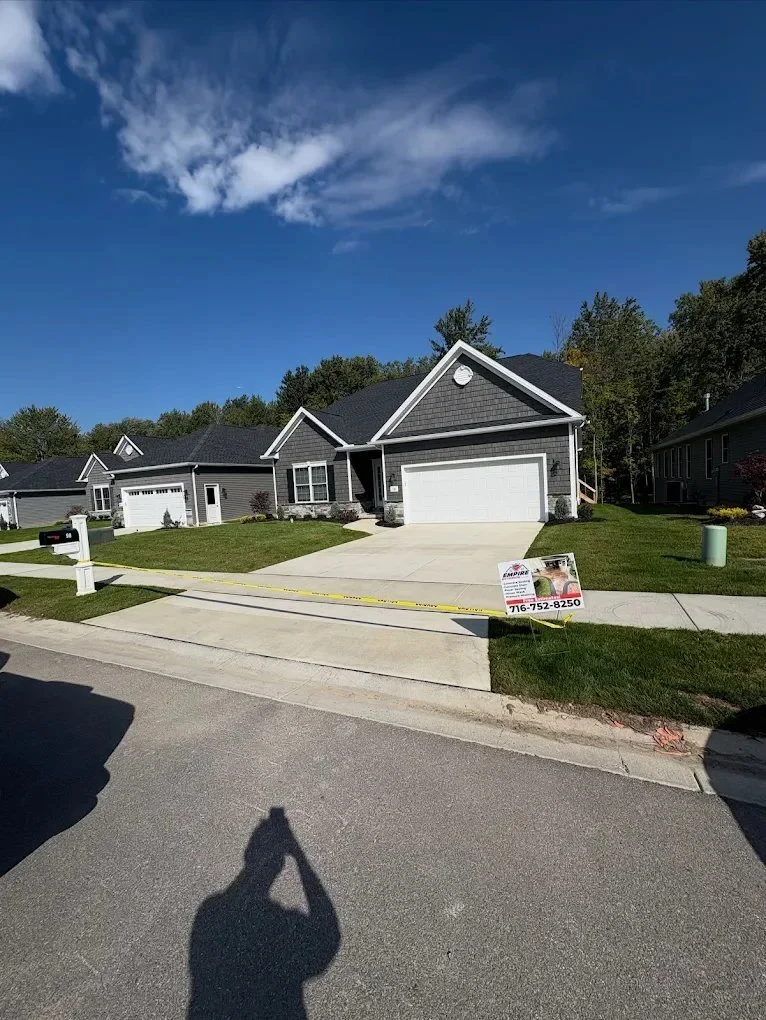
Western New York driveways take a beating once the weather turns. A driveway that looks fine in September can spend the next several months under melting snow, road salt, standing moisture, and repeated freeze-thaw cycles. For concrete, that combination is rough. Water gets into the surface, temperatures drop, the water expands, and small weaknesses can become more noticeable over time.
That is why concrete driveway sealing WNY homeowners ask about in late summer and fall is not just about making a driveway look freshly cleaned. Done at the right time, concrete washing and sealing helps remove surface buildup before winter and adds a protective barrier before the driveway faces salt, ice, and repeated moisture.
Quick answer: should you seal concrete before winter?
Yes, many WNY concrete driveways should be professionally washed and sealed before winter, especially if the surface is exposed aggregate, stamped concrete, or broom-finished concrete that sees regular vehicle traffic and road salt. Washing comes first because sealer should not be applied over dirt, organic buildup, loose residue, or old surface contamination. Sealing after proper preparation helps limit moisture absorption and gives the concrete better protection before sustained cold weather arrives.
The timing still depends on weather and surface condition. Empire Exterior Solutions LLC generally treats concrete sealing as a May through October service, weather permitting, and typically looks for temperatures above 55°F. If your driveway is cracked, deteriorated, or holding water, sealing may still help with protection, but it is not concrete repair.
Why WNY driveways are different in fall
Concrete maintenance matters anywhere, but Buffalo and the surrounding WNY towns have a specific seasonal problem: wet stretches, lake-effect snow, plow activity, road salt, and temperatures that bounce above and below freezing.
That bounce is what makes freeze-thaw exposure hard on concrete. Moisture enters the surface or existing pores. When temperatures drop, that moisture can expand. Then the surface thaws, absorbs more moisture, and goes through the same cycle again. Whether the driveway is in East Amherst, Clarence, Getzville, Lancaster, Tonawanda, Hamburg, Orchard Park, or Niagara County, concrete that absorbs or holds water before winter has less working in its favor.
Sealer is a maintenance step, not magic. A good wash-and-seal service helps prepare the surface and reduce exposure before the hardest season of the year.
Washing is not optional before sealing
A driveway can look clean from the street and still have dirt, dust, pollen, tire marks, algae, old residue, or fine grit on the surface. Applying sealer over that layer is poor preparation. It can affect how evenly the sealer lays down and how the finished surface looks.
Professional concrete washing is meant to clean the surface so the sealer is applied to concrete, not to the film sitting on top of it. On hard surfaces, Empire Exterior offers pressure washing for concrete driveways, sidewalks, patios, pool decks, garage floors, retaining walls, steps, and entryways. For newer concrete under four years old, Empire uses soft washing rather than pressure-cleaning.
The point is simple: the wash is part of the sealing job, not an extra cosmetic step. If you want the sealer to do its job as well as the surface allows, the driveway needs to be assessed and cleaned first.
What sealing helps protect against
The main reasons to seal concrete before winter are moisture, salt, surface wear, and appearance. Concrete is hard, but it is not completely sealed by default. A properly selected and applied sealer can help reduce the amount of water the surface absorbs, which matters when winter moisture arrives as rain, snow melt, ice, slush, vehicle runoff, and wet piles left by plows or shoveling.
Road salt is another concern. Driveways near the road, garage apron areas, and the parking path where tires stop every day often take the most exposure. Sealing before winter gives those high-contact areas a better chance against salt and repeated wet-dry cycles.
Sealing can also improve appearance, depending on the concrete and sealer type. Stamped and exposed aggregate surfaces may look richer after cleaning and sealing. Plain broom-finished concrete may be more about protection than a decorative finish. Either way, the goal should match the surface.
The surfaces Empire commonly evaluates
Empire Exterior Solutions focuses on concrete washing and sealing for stamped concrete, exposed aggregate, broom-finished concrete, driveways, patios, sidewalks, walkways, and pool decks. The family-owned company emphasizes honest recommendations, clear communication, and careful preparation rather than a one-size-fits-all treatment.
That surface range matters because not every driveway needs the same approach. Stamped concrete has decorative texture and color to consider. Exposed aggregate has stones visible at the surface. Broom-finished concrete is often more about moisture and salt protection than a glossy look.
Empire has confirmed two broad sealer categories in its current client information. Acrylic sealer is typically sprayed in two coats and has an approximate two-year lifespan. Penetrating sealer is typically sprayed in one coat and has an approximate five-to-seven-year lifespan. Those are general confirmed guidelines, not a universal promise for every driveway. Weather, surface condition, prior coatings, drainage, use, and preparation all affect what makes sense.
Why late summer and early fall are practical
By the time snow is in the forecast every week, it is usually too late to think about concrete sealing comfortably. Fall scheduling depends on dry weather, surface temperature, air temperature, and how much time the contractor needs to evaluate, wash, and seal the driveway.
Empire's concrete-sealing season is approximately May 1 through October 31, weather permitting, with above-55°F conditions generally preferred. That makes August through October a practical window for driveway-focused work in WNY.
Waiting until the last minute can create problems. A contractor may be booked, the forecast may not cooperate, or the concrete may need more preparation than expected. Start the conversation before the first hard cold stretch, not during it.
What an onsite estimate should cover
Concrete sealing is condition-dependent, so photos and descriptions can only go so far. Empire's confirmed process starts when the customer calls and provides a name and address. From there, the company performs an onsite estimate, gives a verbal estimate, sends an emailed written estimate, and schedules after acceptance while keeping the customer updated by phone.
During that estimate, ask practical questions: What type of concrete is it? How old is it? Has it been sealed before? Are there areas with flaking, cracking, standing water, or old coating buildup? Which sealer type is being recommended, and why? What preparation is included? What weather conditions could delay the work? What aftercare instructions will apply after the job?
What sealing cannot fix
Sealing protects concrete, but it does not replace damaged concrete or repair structural problems. Empire has explicitly excluded concrete repair from its confirmed service list, so homeowners should not treat sealing as a fix for major cracks, heaving, severe spalling, poor drainage, or a driveway that has already failed.
That does not mean sealing has no value on an older driveway. It means expectations matter. A washed and sealed driveway can look cleaner and be better protected than an untreated surface, but existing cracks or defects may still be visible. Sometimes the right answer is to seal. Sometimes the right answer is to wait, clean only, address drainage, or speak with a concrete repair or replacement contractor first.
Concrete versus asphalt clarity
Empire Exterior Solutions works with concrete washing and sealing. It does not offer blacktop or asphalt sealing, and the company wants to avoid being confused with asphalt sealcoating.
If your driveway is blacktop, this is not the right service. If your driveway is concrete, including stamped concrete, exposed aggregate, or broom-finished concrete, then Buffalo concrete sealing may be worth discussing before winter.
When to request an estimate
Request an estimate when the driveway still has a realistic fall weather window, especially if water darkens the concrete quickly, the surface looks dull or uneven, salt and tire traffic collect near the garage or road edge, the driveway has not been sealed in several seasons, or you have stamped or exposed aggregate concrete that you want assessed before winter.
Get a concrete sealing estimate in WNY
If you want to seal concrete before winter, do not wait until the first stretch of freezing nights is already here. Empire Exterior Solutions LLC provides concrete washing and sealing for homeowners and property owners across Erie and Niagara counties, with priority service areas including East Amherst, Clarence, Getzville, Lancaster, Tonawanda, and nearby WNY communities.
Call Empire Exterior Solutions at (716) 752-8250 or use the contact form to request an onsite estimate. Share your address, the type of concrete you have if you know it, and any concerns about salt exposure, old sealer, drainage, or surface condition. Empire can look at the driveway, explain the recommended approach, and provide a written estimate before scheduling.
Frequently Asked Questions
Why is concrete sealing important in Western New York?
Concrete in Western New York faces moisture, snow, ice, road salt, and repeated freeze-thaw cycles. Sealing helps protect suitable concrete by reducing water intrusion and adding protection against seasonal exposure and surface wear. It can also improve the appearance of prepared concrete. Sealing is a maintenance step, not a repair, so existing cracks, heaving, spalling, or structural problems may still need a different solution.
Do you wash concrete before sealing it?
Yes. Concrete should be washed before sealing so the sealer is applied to a clean, prepared surface instead of dirt, algae, tire residue, pollen, loose grit, or old buildup. Empire reviews the surface and chooses an appropriate cleaning method before sealing. Concrete under four years old is soft-washed rather than pressure-cleaned, based on the confirmed process guidance.
When is concrete sealing season in Buffalo and WNY?
Concrete sealing season is approximately May 1 through October 31, weather permitting. Conditions generally need to be above 55°F, but temperature is not the only factor. The concrete also needs a workable surface condition and weather window. Cool nights, heavy dew, rain, shade, or damp concrete can delay scheduling, especially late in the fall.
How long does concrete sealer last?
Empire’s confirmed general guidance is that acrylic sealer lasts about two years and penetrating sealer lasts about five to seven years. Those ranges are not guarantees for every driveway, patio, or walkway. Surface condition, old coatings, moisture, drainage, sun, shade, traffic, salt exposure, and preparation can all affect the recommendation and the realistic maintenance conversation during the estimate.
Request an onsite estimate
Have questions about concrete sealing, house washing, or another exterior service? Empire Exterior Solutions can review the surfaces, explain the options, and provide a written estimate.
Call (716) 752-8250 or send the project details online.