Acrylic vs. Penetrating Concrete Sealer for WNY Homes
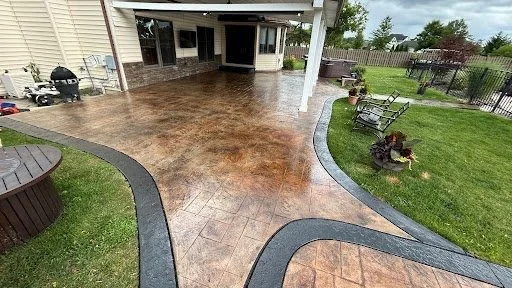
Choosing a concrete sealer is not only a product question. For Western New York homeowners, the right discussion starts with the surface: stamped concrete, exposed aggregate, broom-finished concrete, a driveway, a patio, a walkway, or a pool deck. The condition of that surface matters too. So do old sealer, moisture, salt exposure, drainage, appearance goals, and the season.
Empire Exterior Solutions LLC works with concrete washing and sealing for stamped, exposed aggregate, and broom-finished concrete. The company has confirmed two broad sealer categories for its content: acrylic sealer and penetrating sealer. Acrylic sealer is typically sprayed in two coats and has an approximate two-year lifespan. Penetrating sealer is typically sprayed in one coat and has an approximate five-to-seven-year lifespan.
Those numbers are general guidance, not a universal result. A good onsite estimate should connect the recommendation to the actual concrete in front of the contractor.
Quick answer: which concrete sealer is best?
There is no single best concrete sealer for every WNY home. Acrylic sealer and penetrating sealer do different jobs and can create different expectations.
Acrylic sealer is often discussed when appearance, surface enhancement, and decorative concrete are part of the conversation. Penetrating sealer is often discussed when the homeowner wants protection with less visible surface film. The actual choice depends on the concrete type, prior coatings, age, condition, desired finish, and weather exposure.
Empire sprays sealer rather than rolling it. The estimate should explain which category is being recommended, how many coats are expected, and what the homeowner should realistically expect from the finished surface.
What acrylic concrete sealer means
Acrylic sealer is a film-forming category. In simple terms, it creates a protective layer at the surface. Depending on the surface and product system, acrylic sealer may change the way decorative concrete looks by adding depth, color enhancement, or a more finished appearance.
Empire's confirmed guidance is that acrylic sealer is typically sprayed in two coats and has an approximate two-year lifespan. That makes it an important option to discuss for stamped concrete, exposed aggregate, decorative areas, pool decks, patios, and driveways where appearance is part of the goal.
Acrylic is not automatically the right answer for every slab. Old sealer, trapped moisture, worn areas, shaded conditions, and previous coatings can affect whether a surface is a good candidate. If the concrete already has failing sealer or color issues, the estimate may need to discuss preparation, decorative concrete options, or whether another approach is more responsible.
What penetrating concrete sealer means
Penetrating sealer works differently. Instead of mainly forming a visible layer on top, it is meant to absorb into the concrete surface and help reduce water intrusion. For homeowners who want protection without a highly decorative look, that can be a better fit in some cases.
Empire's confirmed guidance is that penetrating sealer is typically sprayed in one coat and has an approximate five-to-seven-year lifespan. That longer general timeframe can be appealing, but it should not be treated as automatic for every surface. Concrete condition, surface porosity, exposure, drainage, traffic, salt use, and previous treatment all matter.
Penetrating sealer may come up for broom-finished concrete driveways, walkways, or other surfaces where the goal is more about moisture protection than a decorative finish.
Why WNY weather affects the decision
Concrete in WNY faces wet weather, snow, ice, road salt, plow piles, shaded areas, and repeated freeze-thaw cycles. That exposure is one reason homeowners ask about concrete sealer in the first place.
A driveway that sees vehicle traffic and road salt may have different needs than a backyard patio. A stamped concrete pool deck may raise appearance and texture questions. An exposed aggregate surface may need a different conversation than plain broom-finished concrete.
The sealer choice should consider how the surface is used. Does water sit in low spots? Does snow melt from vehicles collect near the garage? Is the concrete shaded and slow to dry? Has it been sealed before? Is the surface newer than four years old? Empire's client information confirms that concrete under four years old is soft-washed rather than pressure-cleaned, which is another reminder that preparation should match the surface.
Preparation matters before either sealer
Acrylic and penetrating sealers both need proper preparation. Sealer should not be applied over dirt, organic buildup, loose residue, dust, or a surface that has not been evaluated.
Concrete washing is part of the process because the sealer needs to meet prepared concrete, not the layer of buildup sitting on top. For appropriate hard surfaces, Empire offers pressure washing for concrete driveways, sidewalks, patios, pool decks, garage floors, retaining walls, steps, and entryways. For newer concrete under four years old, Empire uses soft washing instead of pressure-cleaning.
Preparation also includes judgment. If there is old failing sealer, color loss, or decorative concrete that needs more than routine sealing, the conversation may overlap with concrete coloring or decorative antiquing. That does not mean every surface needs coloring. It means the estimate should be honest about what sealing alone can and cannot do.
Appearance expectations: natural, enhanced, or decorative
Homeowners often ask about sealer because they want concrete to look cleaner, richer, or more finished. That is understandable, but appearance should be discussed carefully.
Acrylic sealer may be more noticeable on the surface and may be part of decorative concrete maintenance. Penetrating sealer may be selected when the goal is a more natural look with moisture protection. The exact finish should not be assumed without seeing the concrete and confirming the product approach.
Stamped concrete, exposed aggregate, and broom-finished concrete do not all respond the same way. Prior coatings can also change the result. A surface that already has old sealer, uneven wear, or color issues may not look like a fresh installation after sealing. Sealing can protect and improve appropriate surfaces, but it is not concrete replacement or concrete repair.
Lifespan guidance without overpromising
The client-confirmed guidance is useful because it gives homeowners a starting point. Acrylic sealer is approximately a two-year option. Penetrating sealer is approximately a five-to-seven-year option. Both are sprayed.
Those are not promises that every surface will perform exactly that long. A sunny patio, shaded driveway, pool deck, high-traffic garage approach, and exposed walkway can all age differently. Salt, snow, drainage, prior sealer, prep, and maintenance habits matter.
For publication, this article should avoid naming product brands unless the client confirms them. It should also avoid fixed result claims, universal results, or fixed recoat schedules beyond the general guidance already confirmed.
Questions to ask during an onsite estimate
Use the estimate to make the sealer conversation practical:
Is this concrete stamped, exposed aggregate, broom-finished, or another surface?
Has it been sealed before?
Is acrylic or penetrating sealer being recommended?
How many coats are expected?
Is washing included before sealing?
What appearance should I realistically expect?
Are there areas where old sealer, moisture, or surface damage may affect the result?
What should I avoid assuming about lifespan or finish?
These questions help keep the decision focused on the actual property instead of generic product claims.
Service boundaries to understand
Empire Exterior Solutions does concrete washing and sealing. It does not offer blacktop or asphalt sealing, and it does not offer concrete repair. Specialty stain removal is also excluded from the confirmed scope.
That means sealer selection should not be used to promise repair of cracks, heaving, failed concrete, deep stains, or structural problems. If the concrete is not a good candidate, the estimate should say so.
Request a concrete sealing estimate in WNY
If you are comparing acrylic vs penetrating concrete sealer for a WNY home, the next step is an onsite estimate. Empire Exterior Solutions LLC serves Erie and Niagara counties with concrete washing and sealing for stamped concrete, exposed aggregate, broom-finished concrete, driveways, patios, walkways, sidewalks, and pool decks.
Call Empire Exterior Solutions at (716) 752-8250 or use the contact page to request an estimate. Share your address, the type of concrete if you know it, and what you want from the project: protection, appearance, decorative maintenance, or help understanding the surface.
Empire can review the concrete in person, explain the recommended sealer category, provide a verbal price, send a written estimate by email, and schedule after acceptance when the weather window makes sense.
Frequently Asked Questions
What is the difference between acrylic and penetrating concrete sealer?
Acrylic sealer is a film-forming option that is often discussed when appearance, color enhancement, or decorative concrete maintenance is part of the goal. Empire’s confirmed guidance is two sprayed coats with an approximate two-year lifespan. Penetrating sealer is typically chosen for protection with a less visible surface film; it is sprayed in one coat and has an approximate five-to-seven-year lifespan.
How long does concrete sealer last?
Empire’s confirmed general guidance is that acrylic sealer lasts about two years and penetrating sealer lasts about five to seven years. Those ranges are not guarantees for every driveway, patio, or walkway. Surface condition, old coatings, moisture, drainage, sun, shade, traffic, salt exposure, and preparation can all affect the recommendation and the realistic maintenance conversation during the estimate.
Will sealing change how my concrete looks?
It can, depending on the concrete type, sealer category, previous coating history, and surface condition. Stamped concrete and exposed aggregate may look richer or more finished after washing and sealing, while broom-finished concrete is often sealed for practical protection rather than decorative gloss. The estimate is the right time to ask what appearance is realistic for your specific surface.
What types of concrete does Empire Exterior seal?
Empire Exterior seals stamped concrete, exposed aggregate, and broom-finished concrete. Common surfaces include concrete driveways, patios, sidewalks, walkways, pool decks, and other exterior concrete areas. The right approach depends on the surface type, age, condition, previous sealer, and appearance goals. An onsite estimate helps confirm whether the concrete is a good candidate for washing and sealing.
Request an onsite estimate
Have questions about concrete sealing, house washing, or another exterior service? Empire Exterior Solutions can review the surfaces, explain the options, and provide a written estimate.
Call (716) 752-8250 or send the project details online.