Why Concrete Must Be Washed Before It Is Sealed
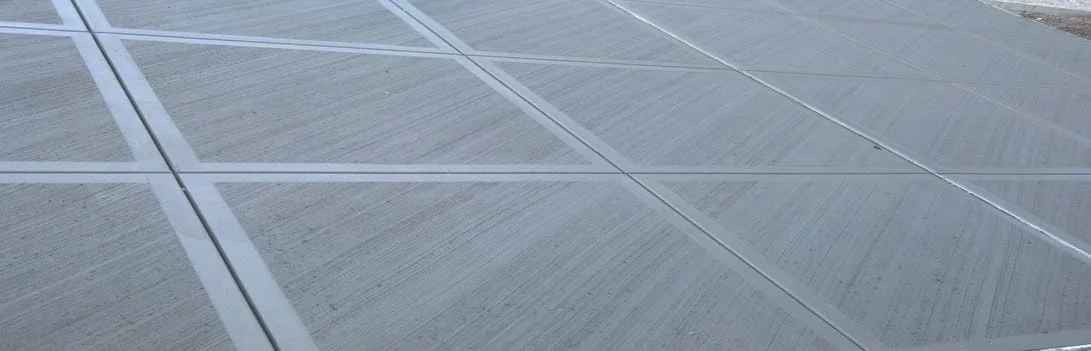
Concrete sealing should not start with sealer. It should start with the surface.
A driveway, patio, walkway, sidewalk, pool deck, stamped concrete area, or exposed aggregate slab may look clean from a distance and still have dirt, pollen, algae, tire marks, loose dust, old residue, or general buildup on the surface. If sealer is applied over that layer, the sealer is not being applied to properly prepared concrete.
That is why washing concrete before sealing is not an optional cosmetic step. It is part of the preparation. For Western New York homeowners dealing with moisture, road salt, snow, ice, and freeze-thaw cycles, the goal is to give the concrete the best reasonable chance before it is sealed.
Quick answer: why wash concrete before sealing?
Concrete should be washed before sealing because sealer needs a clean, prepared surface. Dirt, organic buildup, loose residue, dust, and old surface contamination can interfere with how evenly the sealer lays down and how the finished surface looks.
Empire Exterior Solutions LLC provides concrete washing and sealing for stamped concrete, exposed aggregate, broom-finished concrete, driveways, patios, walkways, sidewalks, and pool decks. The company reviews the surface onsite, explains the recommended scope, provides a verbal price, follows with a written estimate by email, and schedules after acceptance.
Washing does not turn damaged concrete into new concrete, and sealing is not concrete repair. Preparation simply gives the sealer a better starting point on a surface that is suitable for sealing.
What can be sitting on concrete before sealing
Concrete is outside all year. It collects more than obvious mud.
A WNY driveway may have road salt, tire residue, soil, pollen, leaf staining, organic growth, dust, and fine grit. A shaded patio may hold moisture and develop algae or mildew. A pool deck may collect sunscreen residue, dirt, and organic buildup. Exposed aggregate and stamped concrete have texture where material can settle into low areas.
Some of that buildup is easy to see. Some is not. A driveway can look acceptable from the street while still needing a professional wash before sealer is applied.
The point is simple: sealer should meet the concrete surface, not the layer sitting on top of it.
How washing supports sealer application
Surface preparation affects the quality of a concrete sealing job. When a surface is cleaned properly, the contractor can see the condition of the concrete more clearly and apply sealer to a more consistent surface.
That matters for both protection and appearance. If dirt or residue is left behind, the finished surface may look uneven. If buildup is trapped, the sealer may not perform as expected. If old failing sealer or unusual surface condition is present, the estimate may need to adjust the plan.
Empire's confirmed process uses sprayed sealer, not rolled sealer. Acrylic sealer is typically sprayed in two coats with an approximate two-year lifespan. Penetrating sealer is typically sprayed in one coat with an approximate five-to-seven-year lifespan. Those sealer categories still depend on preparation, surface condition, and weather.
Washing does not mean blasting every surface
Homeowners sometimes hear washing and assume high pressure. That is not always correct.
Empire offers hard-surface pressure washing for appropriate surfaces such as concrete driveways, sidewalks, patios, pool decks, garage floors, retaining walls, steps, and entryways. But the company also confirms that concrete under four years old is soft-washed rather than pressure-cleaned.
That distinction matters. Concrete may be hard, but surface age and condition still matter. Newer concrete can be more vulnerable. Decorative concrete may need extra judgment. Old sealer, worn areas, cracks, and drainage can change the recommended approach.
A professional estimate should decide the cleaning method based on the surface, not on a one-size-fits-all pressure setting.
Why WNY weather makes preparation more important
Western New York concrete deals with wet springs, humid summers, fall leaves, winter road salt, snow, ice, and repeated freeze-thaw cycles. Moisture gets into surfaces. Salt sits near garage aprons, sidewalk edges, and tire paths. Shaded areas may dry slowly.
Sealing can help reduce moisture exposure on suitable concrete, but it should not be rushed over a dirty or damp surface. Empire generally treats concrete sealing as a May through October service, weather permitting, with temperatures usually needing to be above 55°F.
That timing means homeowners should not wait until the last cold stretch of fall to ask about washing and sealing. If the surface needs evaluation, cleaning, and sealing, the schedule has to allow for weather.
What the onsite estimate should look for
A useful onsite estimate should look at more than square footage. Size matters, but preparation matters too.
For a concrete wash-and-seal estimate, ask about:
The type of concrete surface
Whether the concrete has been sealed before
How old the concrete is
Whether pressure washing or soft washing is appropriate
Areas with old sealer, buildup, wear, or moisture
Whether sealing is recommended after washing
Which sealer category is being considered
What weather conditions could delay the job
These questions help separate cleaning-only needs from washing and sealing. They also help avoid treating every driveway, patio, or pool deck the same way.
What washing and sealing can and cannot fix
Washing can remove normal surface buildup from appropriate concrete. Sealing can help protect suitable concrete from moisture exposure and can improve appearance depending on the surface and sealer type.
There are limits. Washing does not repair cracked, heaved, badly spalled, or structurally failed concrete. Sealing does not replace concrete repair. Empire does not offer concrete repair or specialty stain removal, so the article should not promise fixes for deep stains, rust, oil, failed slabs, or structural problems.
If the concrete is in poor condition, the estimate should explain that plainly. Sometimes washing and sealing make sense. Sometimes cleaning only, waiting, or speaking with a concrete repair or replacement contractor is the more honest answer.
When washing only may not be the final goal
Some homeowners start by asking for concrete cleaning because the surface looks dirty. During the estimate, the conversation may shift to sealing if the surface is a good candidate and the timing is right.
That does not mean every cleaned surface should be sealed. It means washing can reveal the actual condition of the concrete. A driveway that looked dull may be a good candidate for sealing. A stamped patio with old color or coating concerns may need a conversation about decorative concrete work. A newer slab may need a softer cleaning method and a cautious recommendation.
The goal is not to sell the same service every time. The goal is to match the service to the surface.
How homeowners can prepare before the estimate
You do not need to diagnose the concrete before calling. Still, it helps to share what you know.
Tell Empire whether the surface is a driveway, patio, walkway, pool deck, stamped concrete, exposed aggregate, or broom-finished concrete. Mention if it is newer, previously sealed, shaded, slow to dry, or affected by road salt. If you see cracks, flaking, drainage issues, or old coating, bring that up during the onsite review.
Before the actual workday, ask what should be moved. Vehicles, patio furniture, planters, decorations, toys, hoses, and grills can affect access.
Request a concrete washing and sealing estimate
If your concrete needs to be cleaned before sealing, start with an onsite estimate. Empire Exterior Solutions LLC serves Erie and Niagara counties with concrete washing and sealing for stamped concrete, exposed aggregate, broom-finished concrete, driveways, patios, sidewalks, walkways, and pool decks.
Call Empire Exterior Solutions at (716) 752-8250 or use the contact page to request an estimate. Share your address, the surface type if you know it, and whether you are looking for cleaning only, sealing, or help deciding what the concrete needs.
Empire can review the surface in person, explain the preparation, provide a verbal price, send a written estimate by email, and schedule after acceptance when the surface and weather window make sense.
Frequently Asked Questions
Do you wash concrete before sealing it?
Yes. Concrete should be washed before sealing so the sealer is applied to a clean, prepared surface instead of dirt, algae, tire residue, pollen, loose grit, or old buildup. Empire reviews the surface and chooses an appropriate cleaning method before sealing. Concrete under four years old is soft-washed rather than pressure-cleaned, based on the confirmed process guidance.
Why is concrete sealing important in Western New York?
Concrete in Western New York faces moisture, snow, ice, road salt, and repeated freeze-thaw cycles. Sealing helps protect suitable concrete by reducing water intrusion and adding protection against seasonal exposure and surface wear. It can also improve the appearance of prepared concrete. Sealing is a maintenance step, not a repair, so existing cracks, heaving, spalling, or structural problems may still need a different solution.
Can pressure washing be part of a concrete sealing project?
Yes, washing can be part of preparing appropriate concrete for sealing, but the surface and cleaning method still matter. Empire works with stamped concrete, exposed aggregate, broom-finished concrete, driveways, patios, sidewalks, walkways, and pool decks. If sealing is being considered, the estimate should cover concrete type, surface condition, previous sealer, and whether pressure washing or soft washing is appropriate.
Why does Empire soft-wash concrete under four years old?
Empire soft-washes concrete under four years old instead of pressure-cleaning it. Newer concrete can require a different cleaning approach than older hardscape, especially if the surface is decorative, recently placed, previously sealed, or being considered for sealing. During the estimate, share the installation date if known so Empire can review the age and condition before recommending a cleaning method.
Request an onsite estimate
Have questions about concrete sealing, house washing, or another exterior service? Empire Exterior Solutions can review the surfaces, explain the options, and provide a written estimate.
Call (716) 752-8250 or send the project details online.