What Concrete Sealing Can—and Cannot—Fix
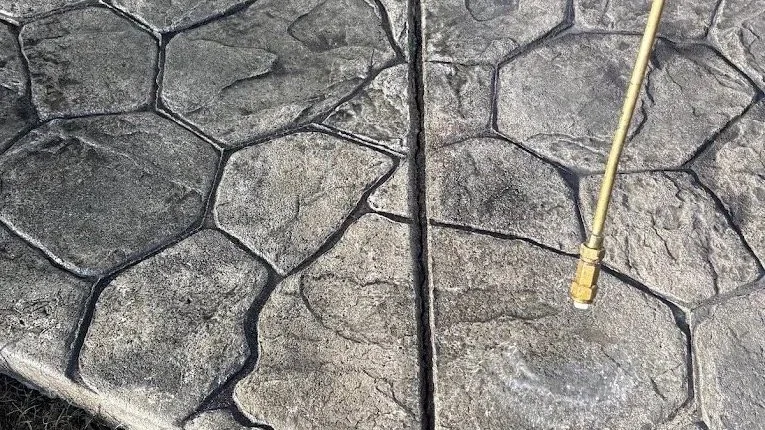
Concrete sealing is one of the most useful maintenance steps for the right driveway, patio, walkway, pool deck, or decorative concrete surface. It can help protect concrete from Western New York weather, road salt, moisture, and normal surface wear. It can also improve appearance when the surface is properly cleaned and the right sealer is selected.
But concrete sealing is not concrete repair. It will not turn damaged concrete into new concrete. It will not lift a settled slab, close structural cracks, correct drainage, or reverse years of deterioration.
That distinction matters. Homeowners often call about sealing because they see a driveway or patio starting to look worn. Sometimes sealing is a smart next step. Sometimes the surface needs cleaning first. Sometimes the concrete has problems that sealing cannot solve. A clear onsite estimate helps separate those situations before anyone makes promises the service cannot support.
Empire Exterior Solutions LLC focuses on concrete washing and sealing for stamped concrete, exposed aggregate, broom-finished concrete, driveways, patios, sidewalks, walkways, and pool decks. The company does not offer concrete repair, so this article is meant to set practical expectations before a homeowner requests an estimate.
Quick answer: what can concrete sealing fix?
Concrete sealing can help with protection, appearance, and maintenance planning on concrete that is still a suitable candidate for sealing. It can help reduce moisture absorption, add a protective layer against WNY freeze-thaw exposure, support better resistance to road salt exposure, and refresh the look of some decorative or exposed aggregate surfaces.
Concrete sealing cannot fix structural cracks, heaving, sinking, failed concrete, major spalling, poor drainage, or concrete that needs repair or replacement. Existing damage may still be visible after washing and sealing.
A good way to think about it is simple: sealing protects an appropriate surface. It does not rebuild the surface.
What sealing can help with
For many WNY homeowners, the main reason to seal concrete is protection. Concrete surfaces take on water, snow melt, slush, salt, dirt, vehicle traffic, and repeated freeze-thaw cycles. A suitable sealer can help limit the amount of moisture the surface absorbs and give the concrete better protection before the hardest part of the year.
That protection is especially relevant for driveways because tires carry road salt into the same areas day after day. Garage aprons, parking paths, low spots, and areas near the road can see repeated wet and salty exposure through winter.
Sealing can also help with appearance. Stamped concrete and exposed aggregate may look cleaner, richer, or more finished after washing and sealing. Broom-finished concrete may have a more practical goal: protection without a decorative gloss. The exact result depends on the concrete, the previous coating history, the sealer type, and the surface condition.
Washing comes before sealing
Concrete sealing should not be treated as a coating that hides everything underneath. The surface has to be prepared. Dirt, organic buildup, pollen, loose residue, tire marks, and old surface contamination can all affect how evenly a sealer lays down.
That is why concrete washing is part of the conversation. Empire provides hard-surface pressure washing for concrete driveways, sidewalks, patios, pool decks, garage floors, retaining walls, steps, and entryways. For concrete under four years old, Empire soft-washes rather than pressure-cleans.
The point is not to blast every surface the same way. The point is to match the cleaning method to the concrete and then decide whether sealing is appropriate.
What sealing cannot repair
Sealing is not a repair service. It cannot stitch cracks back together, level a sunken slab, replace broken sections, correct heaving, or fix a poor base underneath the concrete.
If a driveway has major cracks, severe spalling, widespread flaking, drainage problems, or movement between slabs, those conditions need to be discussed honestly. Sealing may still offer some protection on remaining suitable areas, but it should not be sold as a repair.
Empire's confirmed exclusions include concrete repair. That boundary is important for homeowners because it keeps the estimate grounded. If the surface is outside the company's sealing scope, the responsible answer may be to explain the limitation rather than force a wash-and-seal project.
Can sealing hide stains or old damage?
Sometimes a washed and sealed surface looks much better. That does not mean sealing is a stain-removal or resurfacing process.
Specialty stain removal is not part of Empire's confirmed service scope. Rust, oil, deep discoloration, old coating failure, and previous damage may not disappear. Some marks can remain visible even after cleaning and sealing.
This is why photos and onsite review matter. A contractor should look at the actual surface, explain what appears to be normal buildup, what may be old damage, and what could remain visible. Sealer should not be presented as a way to cover every flaw.
Why WNY weather makes expectations important
Western New York concrete deals with moisture, snow, ice, road salt, shaded areas, and freeze-thaw cycles. Those conditions can create real wear over time. They also make timing important.
Empire's concrete sealing season is approximately May 1 through October 31, weather permitting, with conditions generally above 55°F. Late summer and fall are common times to think about driveway sealing before winter exposure, but the weather window still has to make sense.
If the surface is damp, the forecast is unstable, or the concrete needs more preparation than the season allows, waiting can be the better recommendation. A rushed sealing job is not better just because it happened before cold weather.
Sealer type can affect the goal
Empire's client information confirms two broad sealer categories. Acrylic sealer is typically sprayed in two coats and has an approximate two-year lifespan. Penetrating sealer is typically sprayed in one coat and has an approximate five-to-seven-year lifespan.
Those are useful guidelines, not universal promises for every property. Surface age, condition, previous coatings, exposure, drainage, and use can all affect what makes sense. Homeowners should ask why a sealer type is being recommended instead of assuming every concrete surface needs the same finish.
If the concrete is decorative, the conversation may also overlap with appearance. Stamped concrete, exposed aggregate, and broom-finished concrete can have different goals. If the goal is color restoration or decorative antiquing, the estimate may need to point toward Empire's concrete coloring work rather than simple sealing.
Signs that sealing may be worth discussing
A concrete sealing estimate may be worth requesting if the driveway or patio absorbs water quickly, looks dull after several seasons, sees regular road salt, has stamped or exposed aggregate texture, or has not been sealed in a while.
It may also be worth discussing if you are not sure whether the concrete needs washing only or washing and sealing. The onsite estimate is the place to sort that out.
The estimate should review the type of concrete, age, surface condition, previous sealer, visible defects, weather timing, and access. It should also explain what is included and what is not.
Questions to ask before approving the job
Ask these questions during the estimate:
Is this surface a good candidate for sealing?
Does it need washing before sealing?
Are there cracks, spalling, drainage issues, or old coating concerns?
What existing marks or defects may still be visible afterward?
Which sealer type is being recommended, and why?
What weather conditions could delay the work?
What preparation should the homeowner handle before the crew arrives?
These questions help keep the conversation practical. They also make it easier to compare a real scope of work instead of guessing from a driveway photo.
When to request an onsite estimate
Request an estimate when you want a clear answer about whether sealing fits your concrete's current condition. Empire's confirmed process starts with a call, name and address collection, an onsite visit, a verbal price, and an emailed written estimate. After acceptance, the company schedules the work and keeps the customer updated by phone.
That process is useful because concrete work is condition-dependent. A driveway in full sun may dry differently than a shaded patio. A newer slab may need a softer cleaning method. A stamped patio may raise different appearance questions than a broom-finished driveway.
Get realistic concrete sealing guidance in WNY
If your concrete driveway, patio, walkway, pool deck, stamped concrete, or exposed aggregate surface needs attention, call Empire Exterior Solutions LLC at (716) 752-8250 or use the contact page to request an onsite estimate.
Empire serves Erie and Niagara counties, with priority areas including East Amherst, Clarence, Getzville, Lancaster, Tonawanda, and nearby WNY communities. The team can review the surface, explain what concrete sealing can help with, and be clear about what it cannot fix.
Frequently Asked Questions
Can concrete sealing fix cracks or damaged concrete?
No. Concrete sealing is not concrete repair. It can help protect suitable concrete and may improve the look of prepared surfaces, but it cannot repair structural cracks, heaving, settled slabs, severe spalling, failed concrete, drainage problems, or deep existing damage. Empire Exterior does not offer concrete repair, so the onsite estimate should be clear about what sealing can and cannot do.
Why is concrete sealing important in Western New York?
Concrete in Western New York faces moisture, snow, ice, road salt, and repeated freeze-thaw cycles. Sealing helps protect suitable concrete by reducing water intrusion and adding protection against seasonal exposure and surface wear. It can also improve the appearance of prepared concrete. Sealing is a maintenance step, not a repair, so existing cracks, heaving, spalling, or structural problems may still need a different solution.
Will sealing change how my concrete looks?
It can, depending on the concrete type, sealer category, previous coating history, and surface condition. Stamped concrete and exposed aggregate may look richer or more finished after washing and sealing, while broom-finished concrete is often sealed for practical protection rather than decorative gloss. The estimate is the right time to ask what appearance is realistic for your specific surface.
What happens during a concrete sealing estimate?
The process starts with a call where you provide your name, address, and the concrete areas you want reviewed. Empire then performs an onsite estimate, looks at the surface condition, explains the recommended scope, gives a verbal estimate, and follows up with a written estimate by email. After acceptance, the work is scheduled around surface conditions and weather.
Request an onsite estimate
Have questions about concrete sealing, house washing, or another exterior service? Empire Exterior Solutions can review the surfaces, explain the options, and provide a written estimate.
Call (716) 752-8250 or send the project details online.